Autism Village
Summary
Autism Village is a 501(c)(3) non-profit foundation that works to provide crowd-sourced data on events, product reviews, and other useful services to the autism community. Autism Village provides an autism-friendly training program to businesses that can help them to provide a more successful experience when dealing with customers on the autism spectrum. Businesses completing the training program receive an autism-friendly certification that communicates awareness towards customer service for the autism community.
Their mission is to utilize mobile and web technologies to create a platform that helps the autism community manage activities outside the home. I was tasked to evaluate current user task flows, provide a layout for new information, and design future information with features that encourage customer engagement through incentives.
Problem
Parents and caretakers of people with autism often have difficulties managing activities outside of the home because of the lack of autism-friendly businesses that are properly trained with handling customers who are autistic. This often discourages people from visiting restaurants and businesses due to the lack of autism-friendly customer service.
Design Question
How might we help parents and caretakers of people with autism gain more awareness of autism-friendly businesses so that they can easily manage activities outside the home?
Goals
RESEARCH
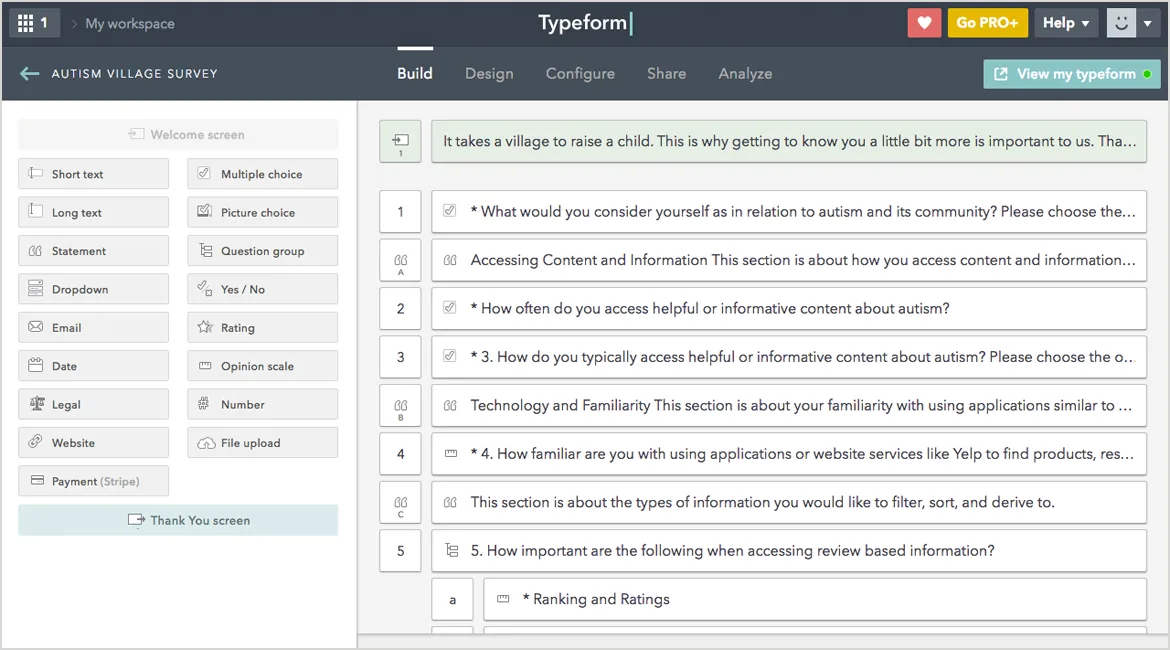
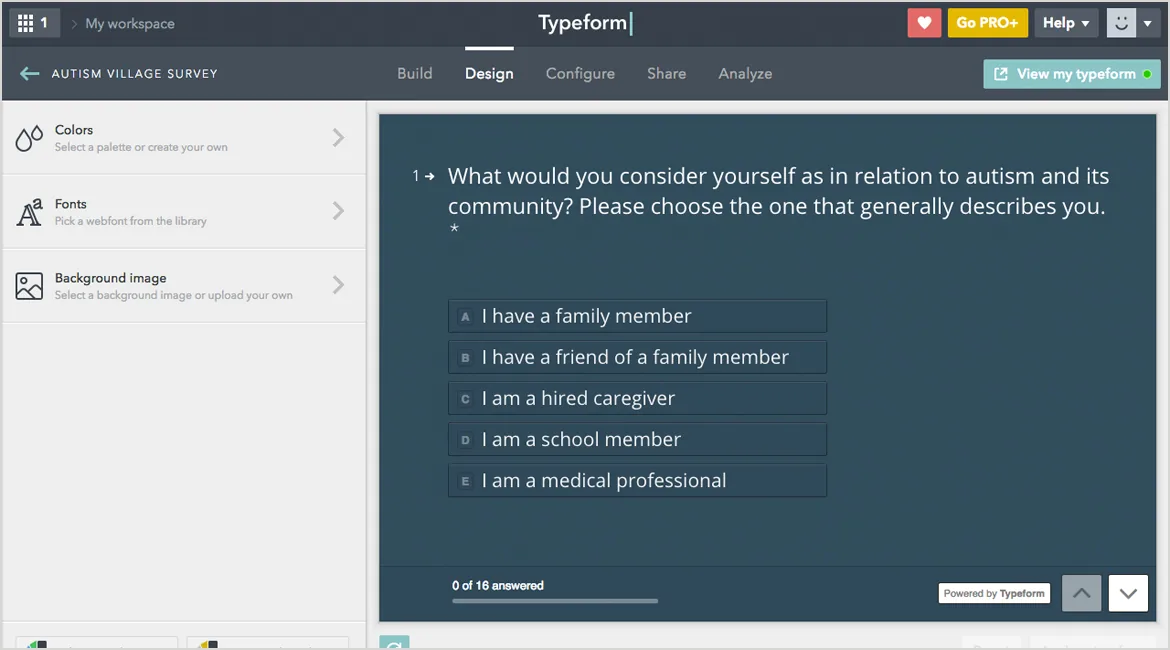
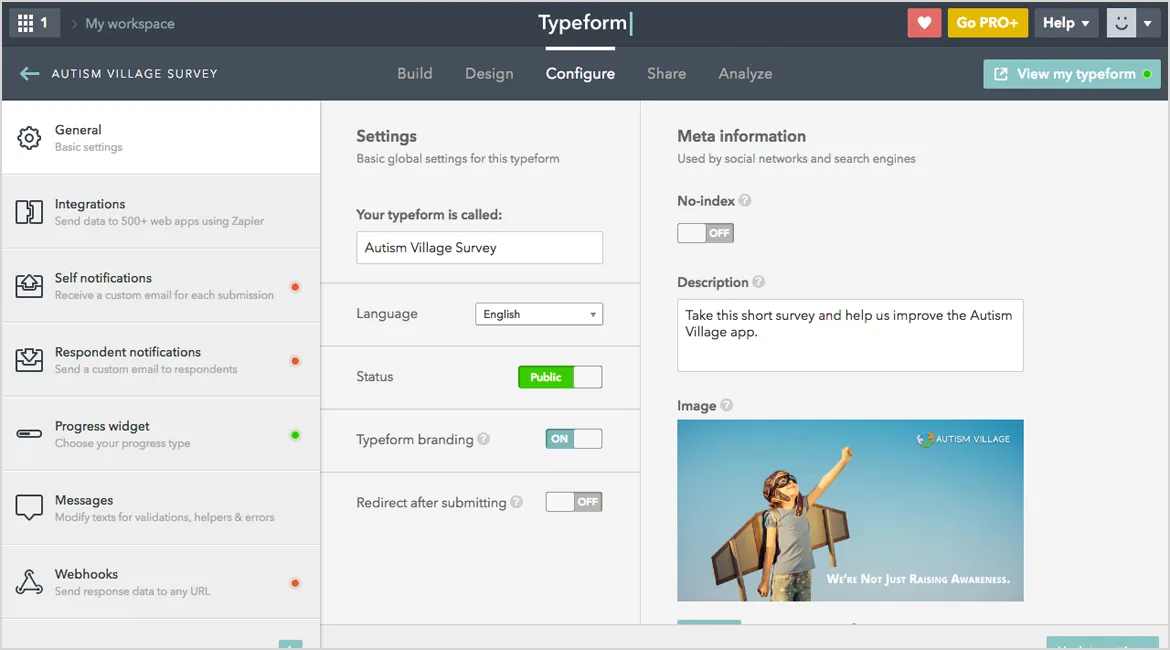
Some activities during the research stage included requirement gathering, stakeholder interviews, and building a survey. Conducting research allowed me to investigate further into households with autistic family members to better understand the people that would potential find this kind of platform helpful.
Survey
Asking questions that focused on understanding the people intended to use the system helped me to identifying user goals and the context of use. Research questions were drafted to conduct contextual inquiry. Data collected during the research stage assisted in supporting further design decision making, removing any underlying assumptions.
IDEATION
Sketching
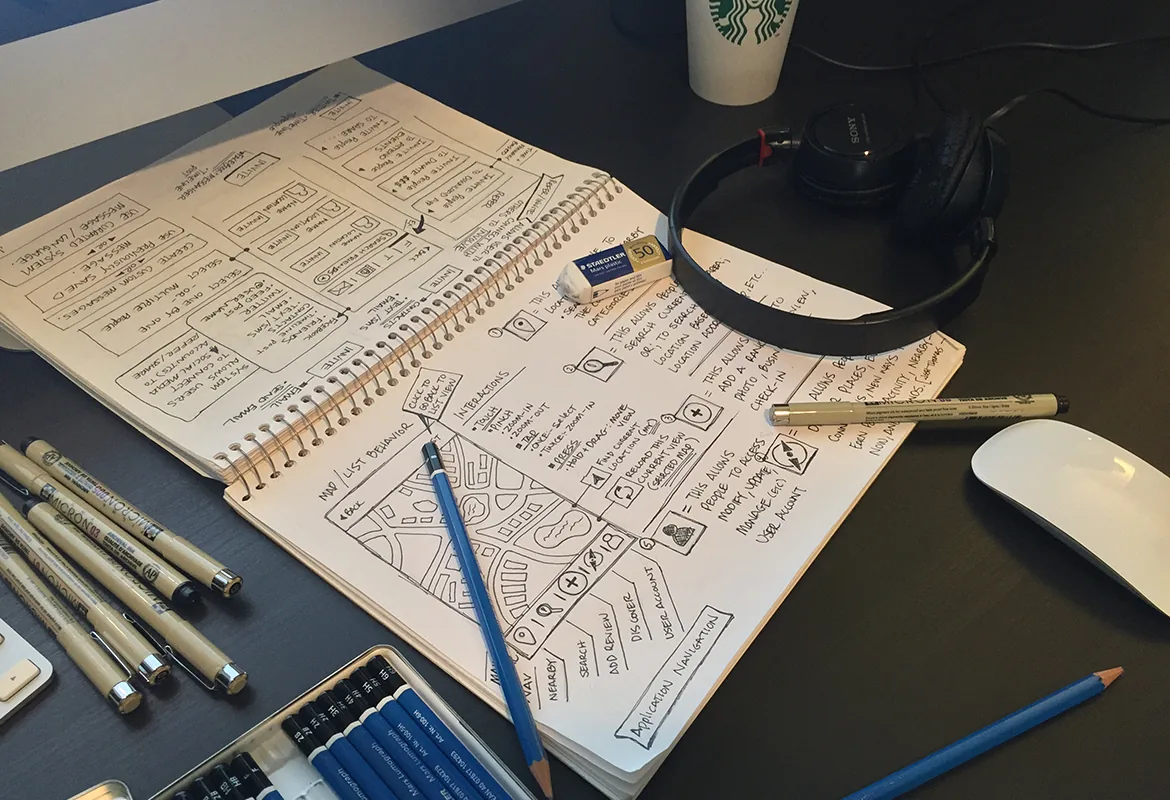
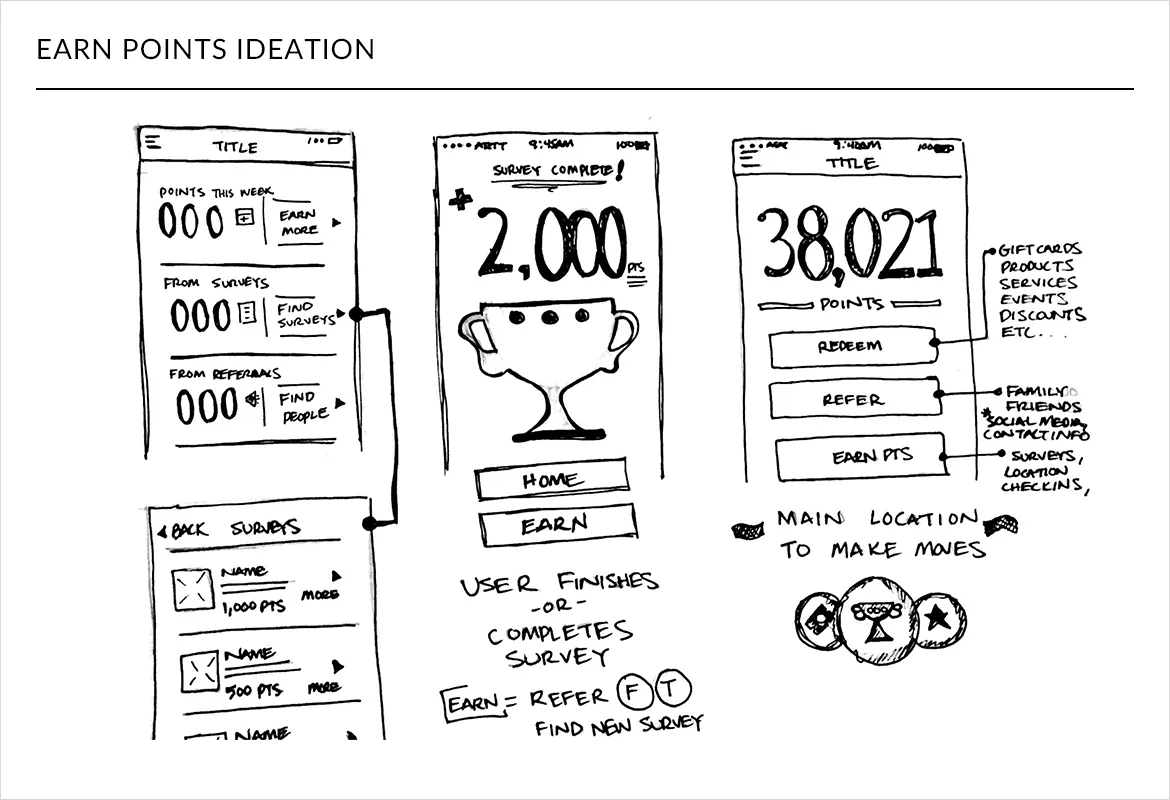
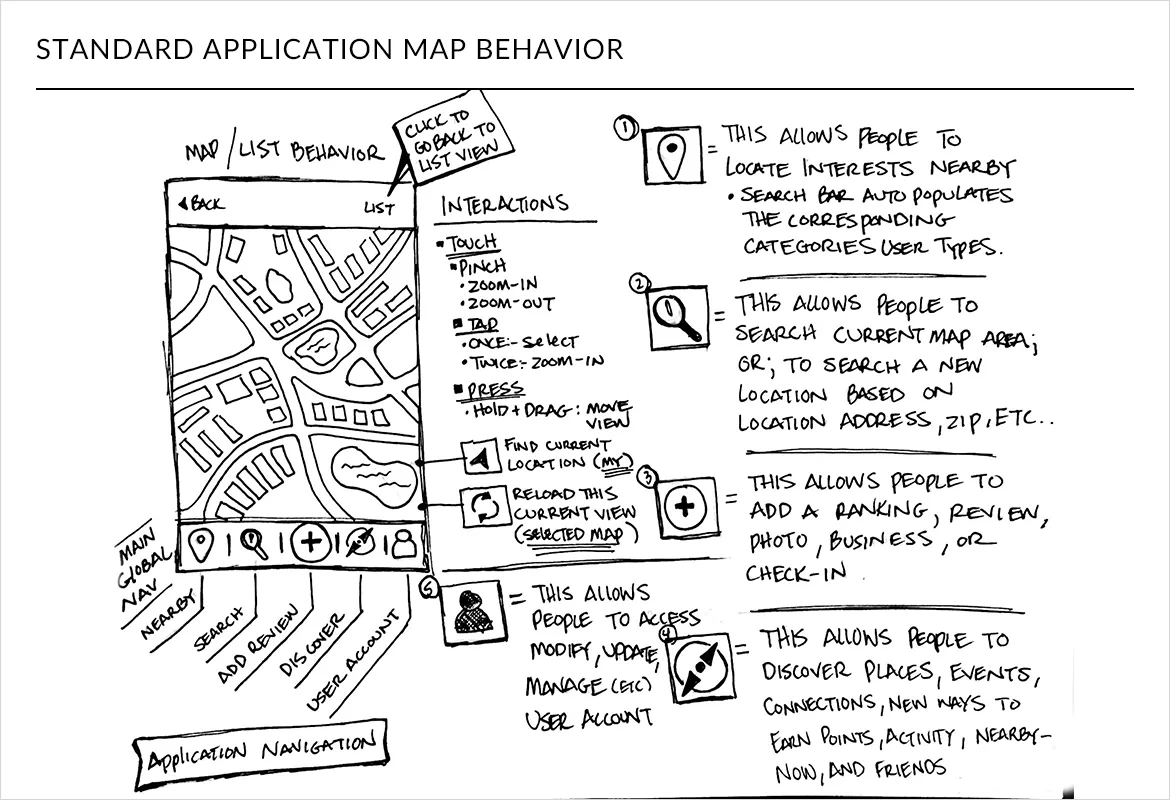
After gathering goals and objectives from stakeholders, surveying the competitive landscape, and collecting user feedback, I began ideation through sketching to brainstorm creative solutions. Sketching allows me to make mistakes on paper prior to going into software like Sketch or Figma. For me, it works because I can ideate quickly. Plus it's fun!
Wireframes
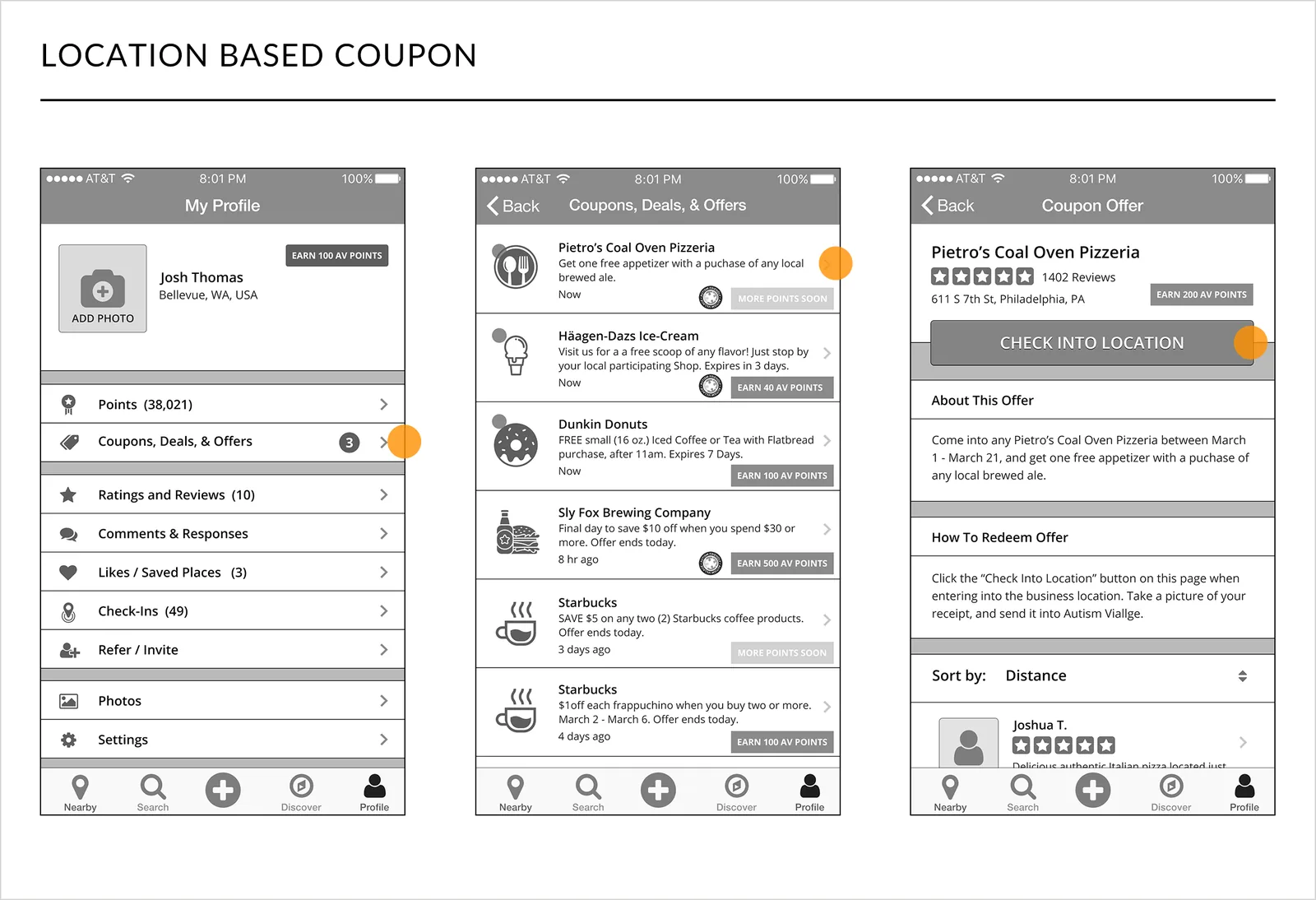
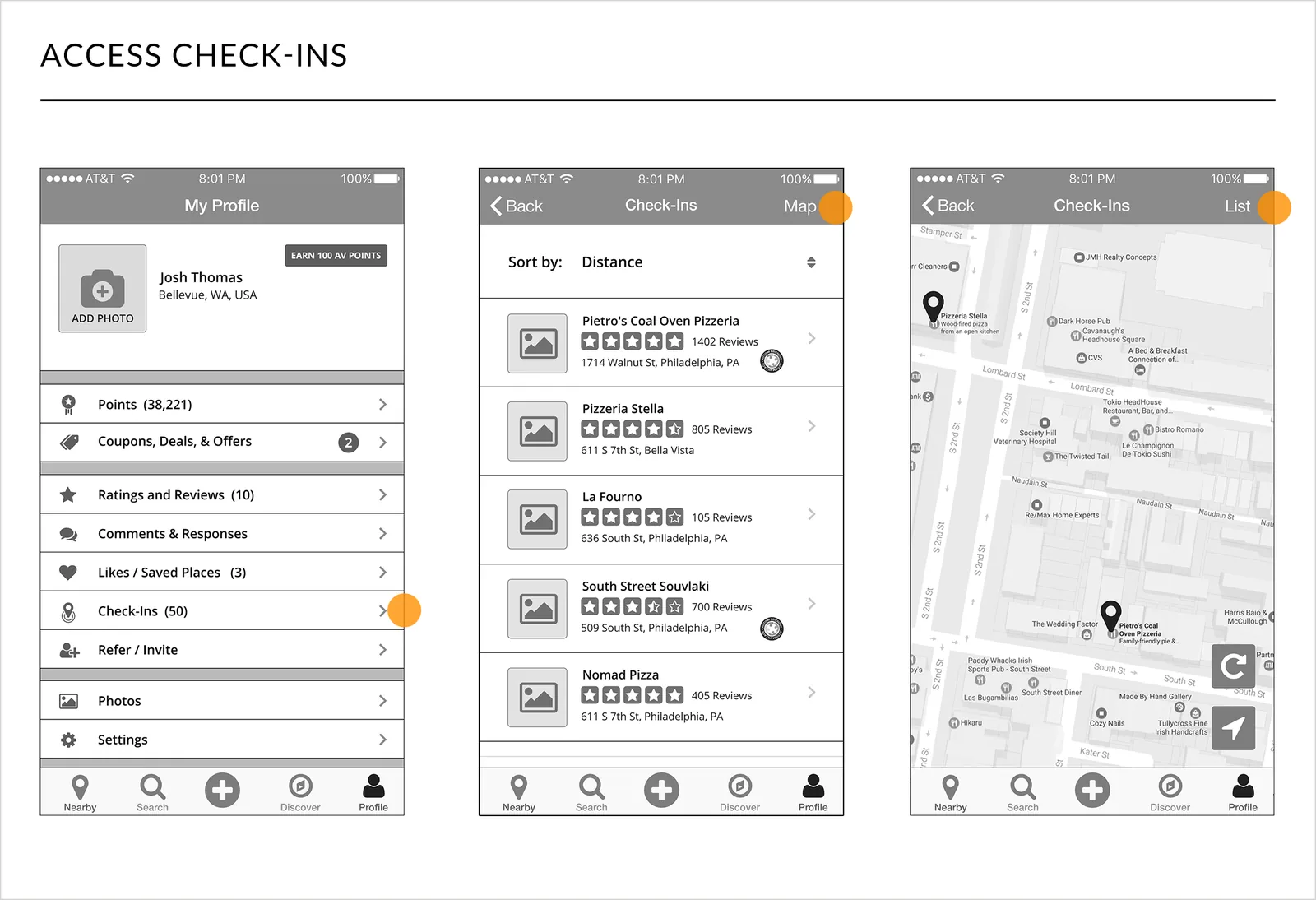
After ideation sketches were complete, I moved over into Sketch to construct the necessary wireframes. I leveraged the sketches I completed to help my decision making when putting together the wireframes so that the process would be easier.
Prototype
InVision App
All wireframes were prepared as artboards in Sketch then brought over to InVision to create a clickable experience.